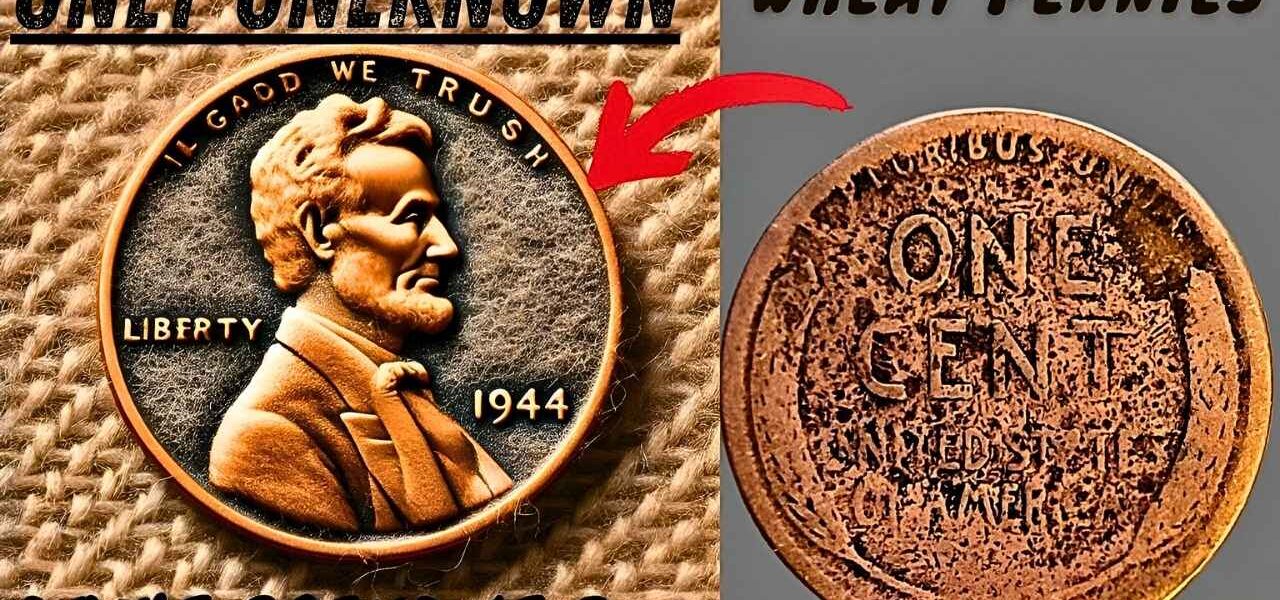
Rare Lincoln Wheat Penny Worth $160,000: The Lincoln Wheat Penny is one of the most familiar coins in American history. Minted from 1909 to 1958, it passed through millions of hands and became a part of everyday life for generations. Most people still see wheat pennies as simple old coins worth a few cents. However, a small number of rare Lincoln Wheat Pennies have stunned collectors by selling for as much as 160000 dollars.
What makes this story exciting is the possibility that one of these valuable pennies could still be sitting unnoticed in a jar, drawer, or inherited coin collection.
A Brief History of the Lincoln Wheat Penny
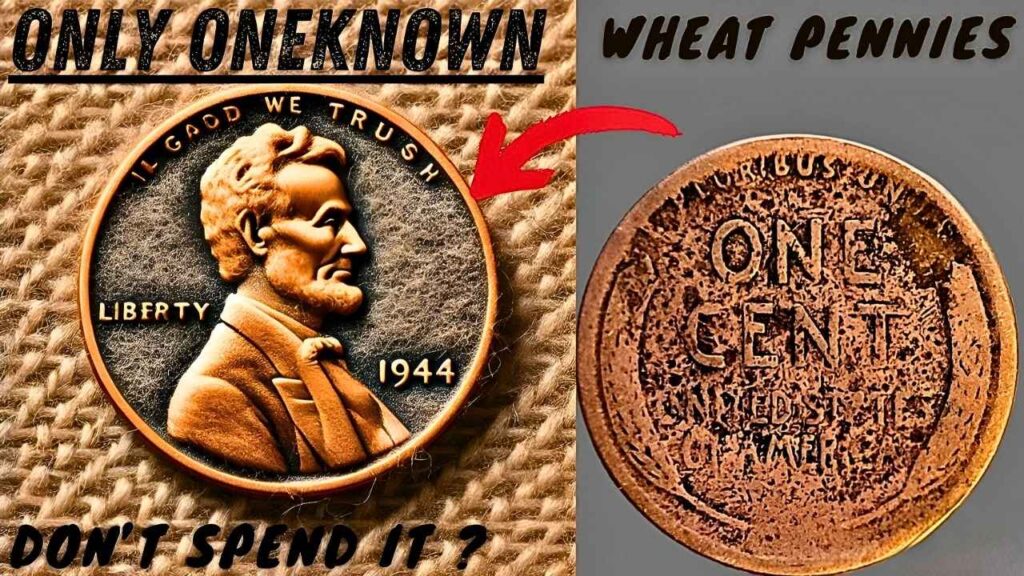
The Lincoln Wheat Penny was introduced in 1909 to commemorate the 100th anniversary of Abraham Lincoln’s birth. It was the first U.S. coin to feature a real historical figure rather than a symbolic design.
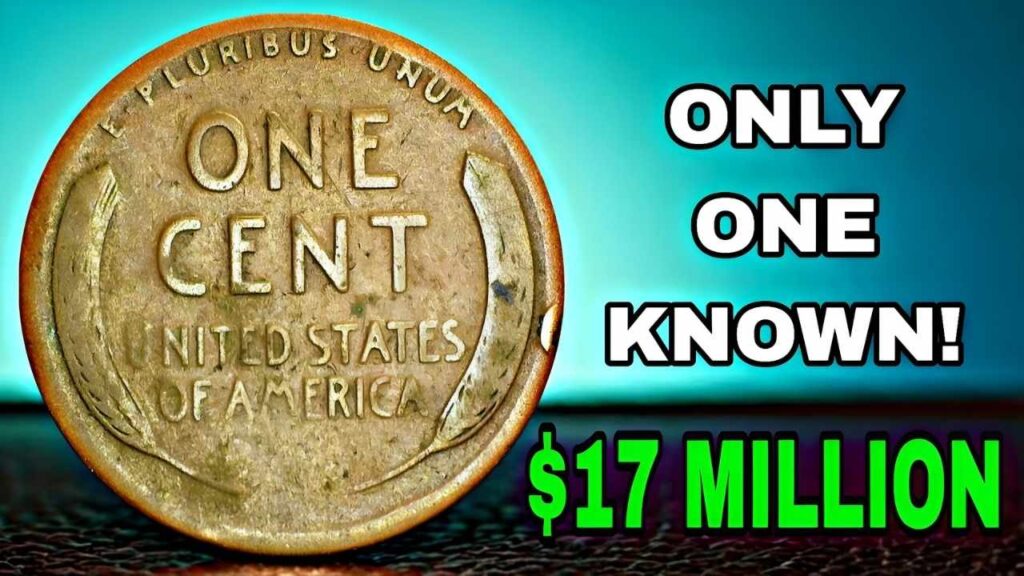
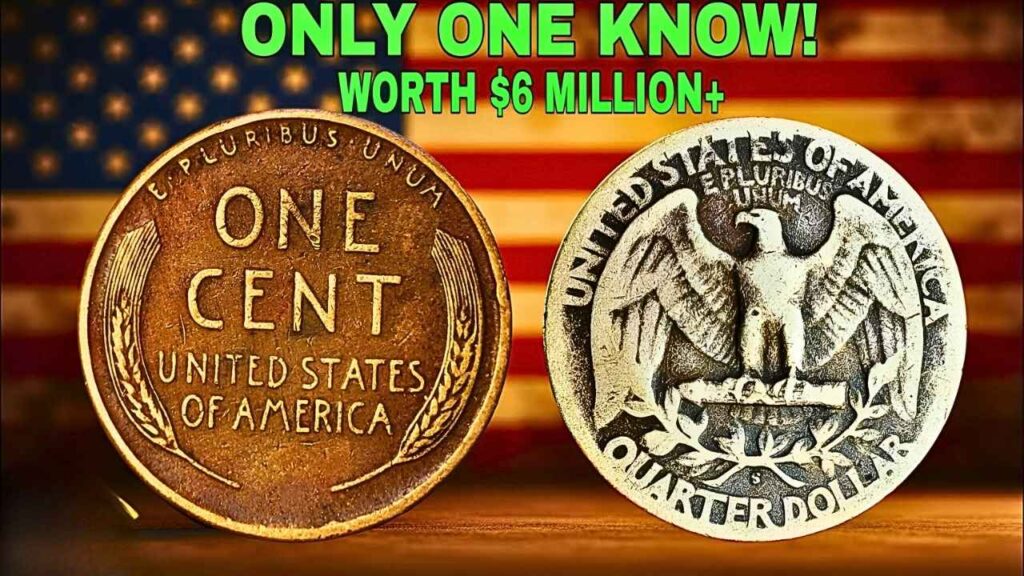
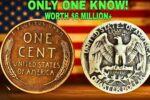
The reverse of the coin displays two wheat stalks, symbolizing prosperity and agricultural strength. This design remained unchanged for nearly fifty years, making it one of the longest running coin designs in U.S. history.
Because so many were minted, most wheat pennies are common. Yet certain years, mint marks, and production mistakes turned a few of them into true treasures.
Why Some Wheat Pennies Are Worth 160000 Dollars
A Lincoln Wheat Penny does not become valuable by age alone. Its value depends on rarity, condition, and unique characteristics. Some pennies were produced in very limited numbers, while others were struck with errors that escaped detection.
Collector demand plays a major role. When many collectors are searching for the same rare coin and only a few exist, prices rise rapidly. A penny that once bought a piece of candy can suddenly become worth more than a luxury car.
The Famous 1943 Bronze Lincoln Wheat Penny
One of the most well known rare wheat pennies is the 1943 Bronze Lincoln Wheat Penny. During World War II, copper was needed for military supplies, so pennies were struck in steel instead of bronze.
A small number of bronze planchets were accidentally used, creating one of the most famous minting errors in U.S. history. These coins are extremely rare. While some examples have sold for much higher amounts, lower grade authenticated pieces have sold around the 160000 dollar range.
The 1909 S VDB Lincoln Wheat Penny
The 1909 S VDB penny is another legendary coin among collectors. It was minted in San Francisco and features the initials of the designer on the reverse. Public controversy over the prominent initials led to their removal shortly after production began.
As a result, only a limited number were produced. High grade examples are scarce and highly valuable. A well preserved specimen can easily reach six figure values.
The 1914 D Lincoln Wheat Penny
The 1914 D wheat penny is a key date in the series. Struck in Denver, it had a relatively low mintage compared to other years. Most were heavily circulated, making high quality survivors rare.
Collectors searching for complete sets consider this coin essential. In strong condition, it can sell for tens of thousands of dollars, and top grade examples can approach or exceed 160000 dollars.
Minting Errors That Create Huge Value
Some Lincoln Wheat Pennies are valuable because of errors rather than low mintage. Doubled die pennies show clear doubling in the date or lettering, making them instantly recognizable to trained eyes.
Off metal strikes, wrong planchets, and misaligned designs also add significant value. These errors provide physical evidence of the human element behind coin production, which collectors find fascinating.
The Importance of Condition and Grading
Condition can make or break the value of a wheat penny. A rare coin that is heavily worn will always be worth less than a well preserved example. Coins are graded based on surface quality, sharpness of detail, and overall appearance.
Professional grading services authenticate and grade coins, giving buyers confidence. A single grade difference can change a coin’s value by thousands of dollars.
Could One Still Be in Your Collection
One of the most exciting aspects of Lincoln Wheat Pennies is that they were used widely in circulation. Many people saved them without knowing their potential value.
Old collections, inherited jars of coins, and forgotten boxes are common sources of rare discoveries. While the odds are low, new finds still happen, keeping hope alive for collectors and casual searchers alike.
How to Check Your Wheat Pennies Properly
Start by looking at the date and mint mark. Mint marks appear below the date and indicate where the coin was struck. Pay close attention to years known for rarity.
Examine the coin under good lighting and magnification. Look for unusual features, doubling, or incorrect metal color. Never clean a coin, as cleaning can permanently reduce value.
What to Do If You Think You Found a Rare Penny
If you believe you have a valuable Lincoln Wheat Penny, handle it carefully by the edges. Store it in a protective holder and seek professional evaluation.
Authentication is critical before assigning value. Once verified, you can decide whether to keep it, insure it, or explore selling options through reputable channels.
Why Lincoln Wheat Pennies Remain Collector Favorites
Lincoln Wheat Pennies combine history, accessibility, and surprise. Almost anyone can start collecting them, yet the series includes some of the most valuable small coins ever produced.
Their connection to American history and everyday life makes them especially appealing. Each coin tells a story of its time, from economic hardship to wartime production.
Conclusion A Small Coin With Big Possibilities
The idea that a Lincoln Wheat Penny could be worth 160000 dollars is proof that value can hide in the smallest places. These coins remind us that history is not always locked away in museums. Sometimes it sits quietly in a pocket or drawer.
For collectors and curious individuals alike, checking old pennies can be both educational and thrilling. You may never find a six figure coin, but the possibility alone makes every wheat penny worth a second look.