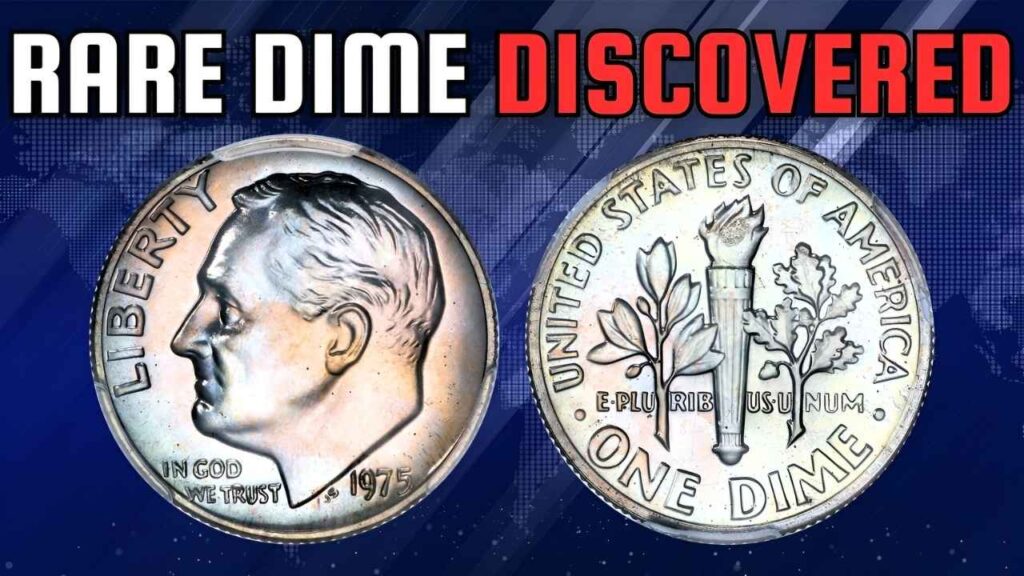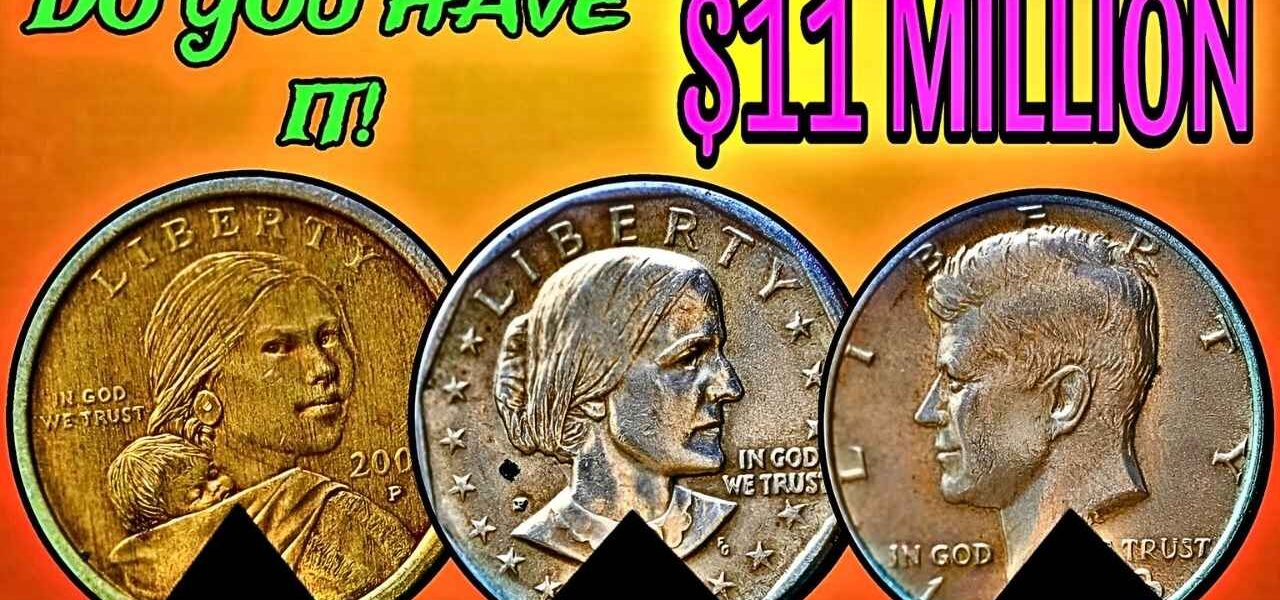
Rare Million-Dollar U.S. Coins: Most people think of coins as small change we carry in our pockets, but some U.S. coins are worth more than luxury houses, supercars, or even private islands. Over the years, a few rare coins have shocked collectors and investors by reaching values close to or even above one million dollars. Among the most surprising names linked to these massive prices are the Kennedy Half Dollar, the Sacagawea Dollar, and the Susan B. Anthony Dollar. While most versions of these coins are common, specific rare varieties, minting errors, and historical contexts have transformed them into legendary treasures.
This article explains how these three coins, often overlooked in daily life, became some of the most valuable modern U.S. coins ever known.
The Kennedy Half Dollar and Its Hidden Value
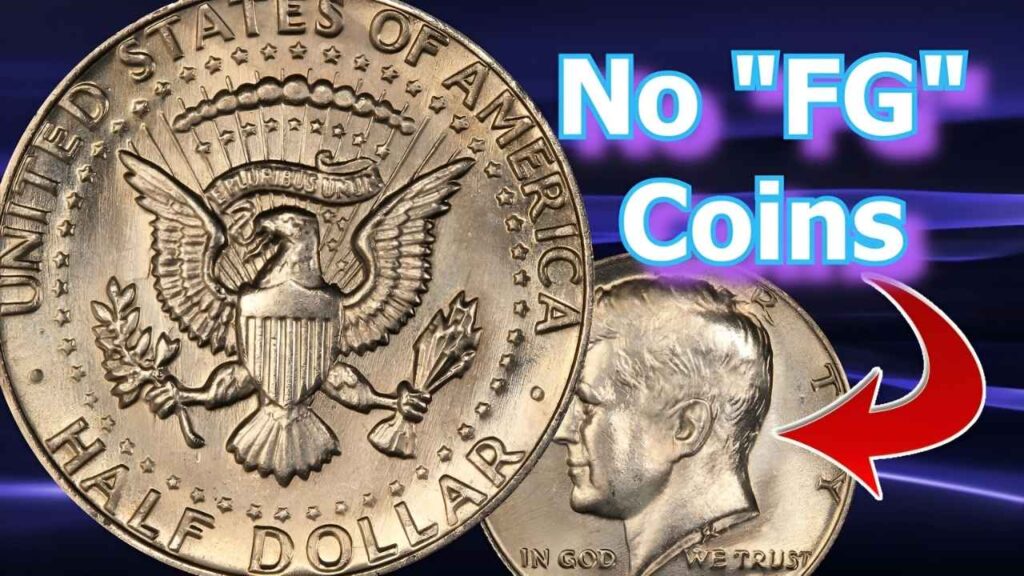
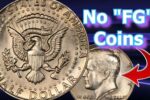
The Kennedy Half Dollar was first introduced in 1964, shortly after the assassination of President John F. Kennedy. The coin was meant to honor his legacy, and because of strong public emotion, millions were saved rather than spent. This emotional connection already made the coin historically important, but its value story goes much deeper.
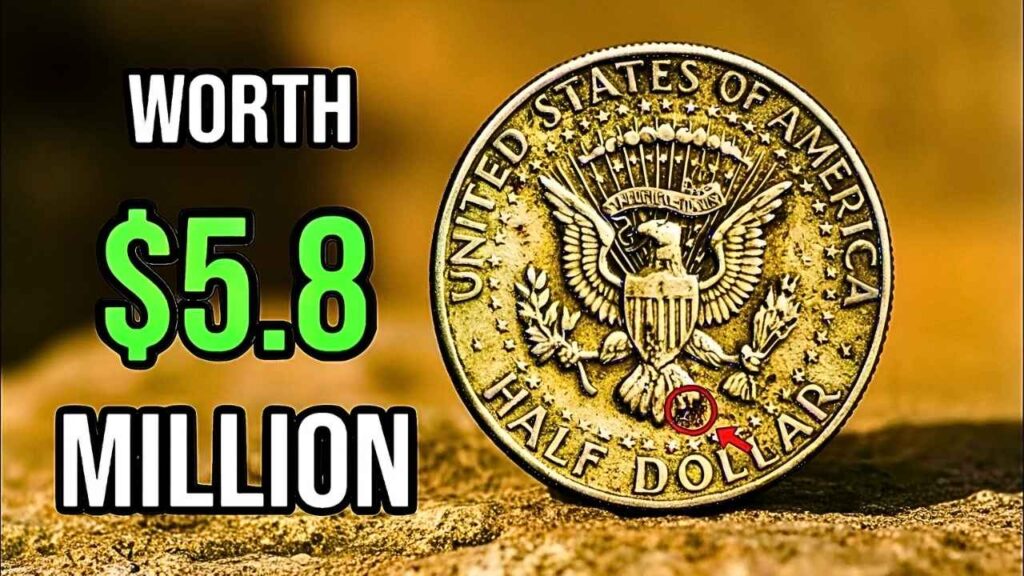
The 1964 Kennedy Half Dollar was minted with 90 percent silver, making it valuable even in normal condition. However, the million dollar level is reached only by extremely rare specimens. Certain 1964 Special Mint Set versions are believed to exist in very small numbers. These coins have a unique satin finish, sharp strike, and exceptional preservation. When one of these rare examples appears at auction, collectors compete fiercely.
Another reason some Kennedy Half Dollars are so valuable is condition. A coin graded at the highest possible level with no visible flaws becomes exponentially rarer. When rarity meets historical importance and emotional appeal, prices can rise to astonishing levels. This combination is what has pushed select Kennedy Half Dollars into six and seven figure territory.
Why Some Kennedy Half Dollars Are Worth a Fortune
Not every Kennedy Half Dollar is valuable, and this is where many people get confused. Value depends on three main factors rarity, condition, and story. Coins with minting errors such as doubled dies, off center strikes, or missing elements can become extremely desirable. Proof versions that were never released to the public are another key factor.
The Kennedy Half Dollar also benefits from strong collector demand. Many collectors focus on presidential history, while others specialize in silver coinage or modern rarities. This wide appeal keeps prices strong and ensures that the rarest examples continue to break records.
The Sacagawea Dollar and the Golden Mystery
When the Sacagawea Dollar was introduced in 2000, it was designed to represent Native American heritage and exploration. Its golden color made it stand out, even though it contained no actual gold. At first, the coin was considered ordinary, and most people ignored it. That changed dramatically when a few rare versions surfaced.
The most famous Sacagawea Dollar is the mule error coin. A mule coin occurs when the front and back designs come from two different coin types. In this case, a Sacagawea Dollar obverse was paired with a Washington quarter reverse. Only a very small number of these coins are known to exist.
Because this error should never have happened, collectors see it as a once in a lifetime mistake. The rarity is extreme, the story is fascinating, and the coin represents a major mint failure. These factors pushed its value into the hundreds of thousands and eventually close to one million dollars.
How Sacagawea Dollar Errors Became Legendary
The Sacagawea Dollar proves that age is not always necessary for value. Even a modern coin can become priceless if it is rare enough. Error coins attract a special type of collector who values mint mistakes as historical evidence of the human element behind coin production.
High grade Sacagawea errors are especially valuable because they show the mistake clearly while remaining well preserved. As more collectors enter the market and demand increases, prices for these rare pieces continue to rise. The Sacagawea Dollar has now earned a permanent place among elite U.S. coin rarities.
The Susan B. Anthony Dollar and Its Unexpected Rarity
The Susan B. Anthony Dollar was introduced in 1979 and is often remembered as a failed coin. Its size was too similar to a quarter, confusing the public and limiting its circulation. For years, it was dismissed as unimportant. However, hidden among the millions minted are a few versions that changed everything.
One of the most valuable varieties is the 1979 and 1981 proof coins with a specific mint mark style known as the Wide Rim or Near Date variety. These coins were produced in limited quantities before the design was changed. Only trained eyes can spot the difference, which adds to the mystery and appeal.
When found in perfect condition, these rare Susan B. Anthony Dollars can sell for astonishing prices. A top graded specimen with flawless surfaces and strong strike can reach six figures, and under the right conditions, approach or exceed the million dollar mark.
Why the Susan B. Anthony Dollar Matters Today
Beyond monetary value, the Susan B. Anthony Dollar represents an important cultural shift. It was the first U.S. coin to feature a real woman who was not a symbolic figure. This historical significance adds emotional and educational value for collectors.
As fewer perfect examples remain and awareness grows, demand continues to increase. What was once seen as a failed experiment has become a hidden gem in the world of numismatics.
What Makes a Coin Reach One Million Dollars
Across all three coins, the reasons for extreme value are consistent. Rarity is the foundation. Without rarity, no coin can reach such heights. Condition magnifies rarity, especially at the highest grading levels. Historical context and storytelling give the coin meaning beyond metal and design.
Collector demand ties everything together. When multiple collecting communities desire the same coin, prices skyrocket. Auction records, media attention, and private sales all reinforce these values, creating legends that last for generations.
Conclusion The Treasure in Plain Sight
The Kennedy Half Dollar, Sacagawea Dollar, and Susan B. Anthony Dollar prove that extraordinary value can hide in ordinary places. Coins that once passed through everyday hands have become million dollar icons due to rare circumstances, minting mistakes, and historical importance.
For collectors, these coins offer inspiration. They show that knowledge, patience, and attention to detail can uncover treasures where others see only pocket change. In the world of rare U.S. coins, history and fortune often meet in the smallest of objects.