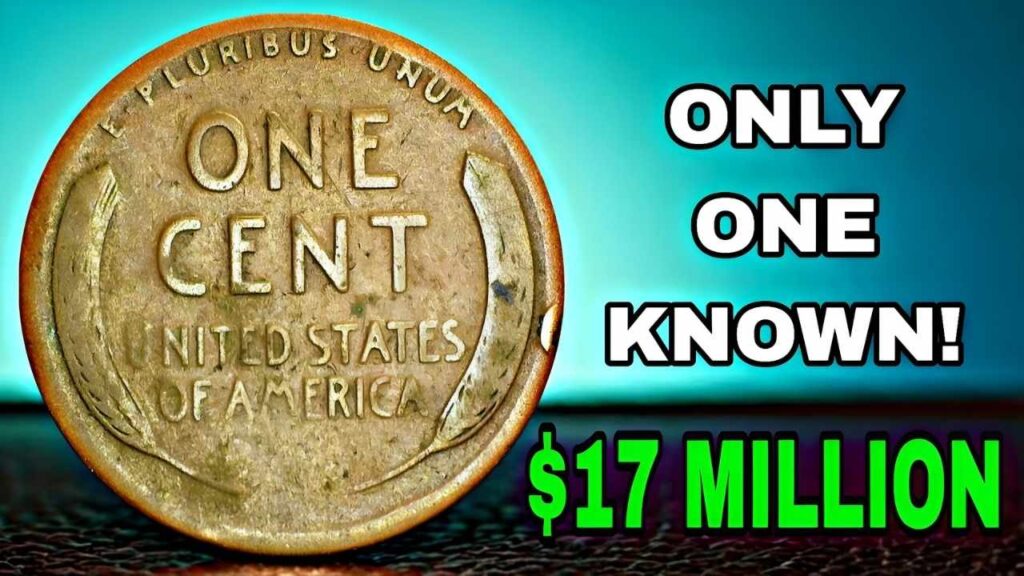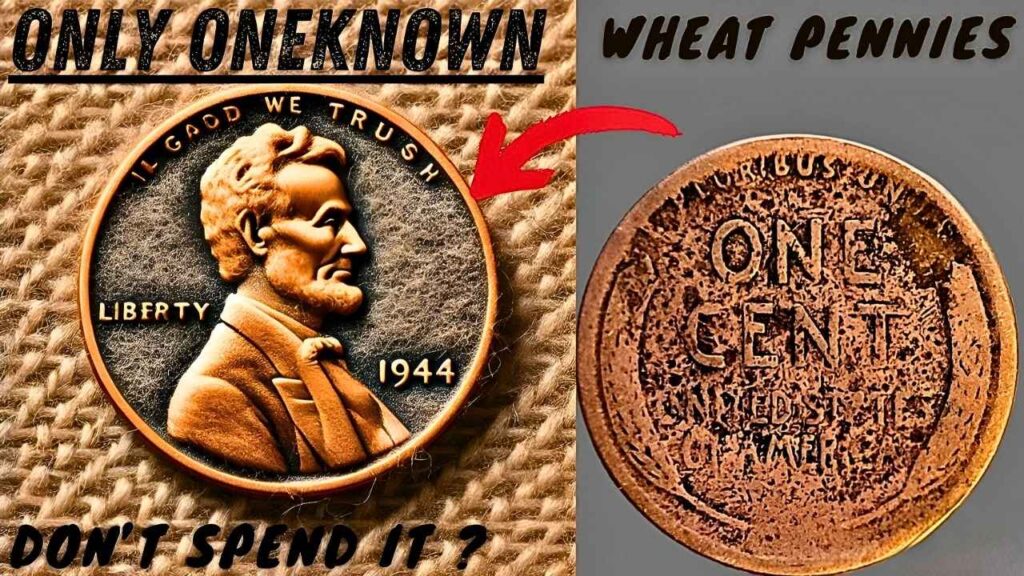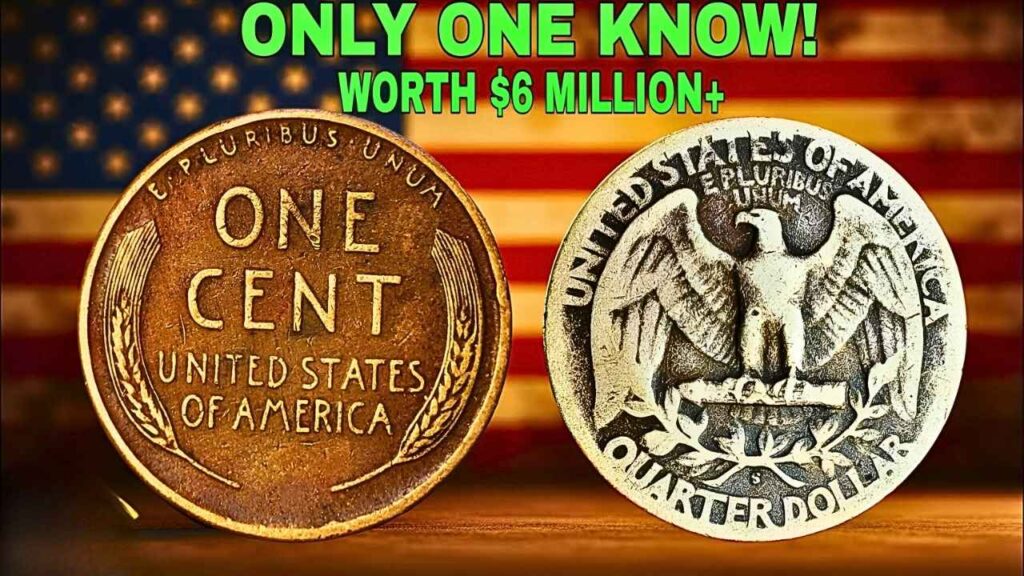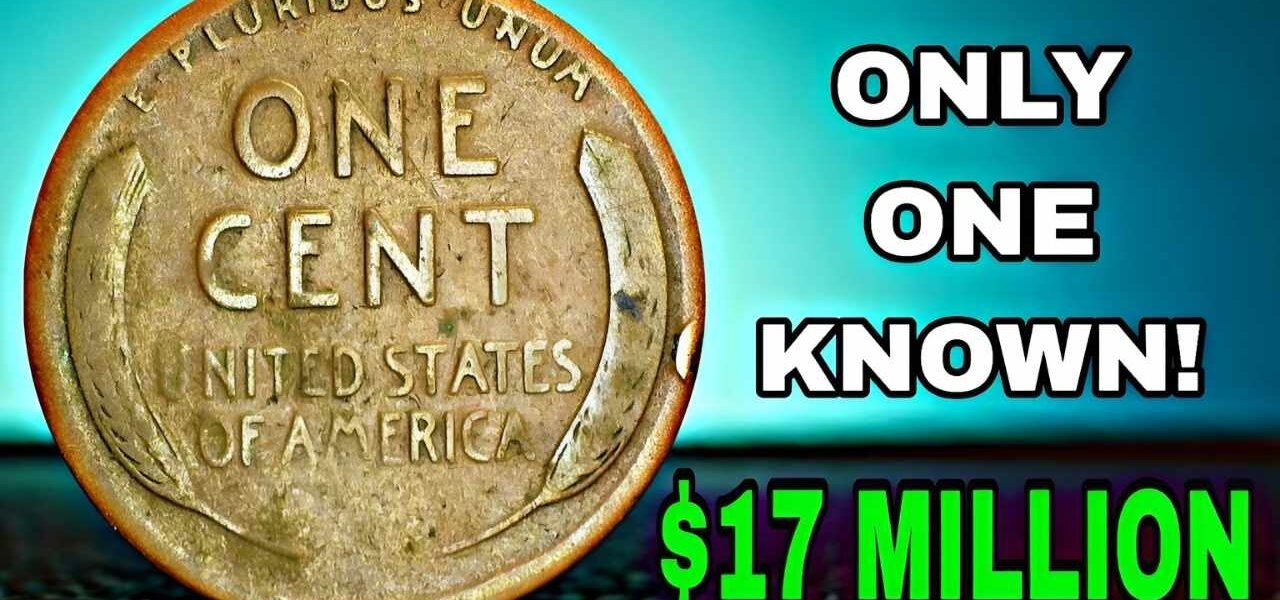
8 Rare Wheat Pennies Worth Thousands: The Lincoln Wheat Penny is one of the most collected coins in American history. Minted from 1909 to 1958, these pennies were once everyday pocket change. Today, most wheat pennies are worth only a few cents. However, some rare dates and varieties are worth thousands of dollars and continue to surprise collectors.
What makes wheat pennies special is that many were saved casually by ordinary people. This means valuable examples can still be hiding in old collections, jars, or inherited boxes of coins.
Why Some Wheat Pennies Are Worth Thousands
Not all wheat pennies are valuable. Their worth depends on rarity, condition, mint mark, and errors. Coins with low mintage numbers or production mistakes are especially desirable.
Collector demand also plays a major role. When many collectors want the same coin and only a few exist, prices increase quickly. High quality examples in excellent condition can multiply in value over time.
The 1909 S VDB Wheat Penny
The 1909 S VDB wheat penny is one of the most famous coins in American numismatics. It was minted in San Francisco and features the initials of the designer on the reverse.
Public criticism over the large initials led to their removal shortly after production began. As a result, very few were made. Even worn examples are valuable, while well preserved coins can be worth thousands of dollars.
The 1914 D Wheat Penny
The 1914 D wheat penny is a key date for collectors. Minted in Denver, it had a much lower production number than other pennies of the same era.
Most examples were heavily circulated, making high grade coins rare. Because collectors need this coin to complete their sets, demand remains strong. Clean, sharp examples regularly sell for several thousand dollars.
The 1922 No D Wheat Penny
The 1922 No D wheat penny is a fascinating mint error. All pennies that year were struck in Denver and should have a D mint mark. However, due to worn dies, some coins were struck without the mint mark.
These coins are easy to spot when compared to normal examples. Authentic versions are highly sought after, and values increase significantly with better condition.
The 1931 S Wheat Penny
During the Great Depression, fewer pennies were needed in circulation. As a result, the 1931 S wheat penny was produced in low numbers.
Many people saved these coins at the time, but high grade examples are still scarce. This penny remains a popular collector favorite and can be worth hundreds or thousands depending on condition.
The 1943 Bronze Wheat Penny
The 1943 Bronze wheat penny is one of the most famous error coins ever made. During World War II, pennies were supposed to be struck in steel to save copper.
A small number of bronze planchets were accidentally used. These pennies are extremely rare and valuable. While top examples sell for much higher amounts, even lower grade authenticated pieces are worth thousands of dollars.
The 1944 Steel Wheat Penny
The opposite error occurred in 1944, when pennies returned to bronze composition. A few steel planchets remained in the minting process and were struck by mistake.
The 1944 Steel wheat penny is rare and highly collectible. Its unusual silver color makes it easy to identify. Genuine examples are worth thousands of dollars.
The 1955 Doubled Die Wheat Penny
The 1955 Doubled Die wheat penny is one of the most dramatic error coins ever produced. The doubling is clearly visible on the date and lettering.
This strong visual error makes it popular even with beginner collectors. Authentic examples in good condition are worth thousands and continue to rise in value.
How Condition Affects Wheat Penny Value
Condition plays a critical role in determining value. A rare penny that is heavily worn may be worth far less than a sharp, clean example.
Coins are graded based on wear, surface quality, and detail. Even a small difference in grade can mean a large difference in price. This is why collectors seek the best preserved examples possible.
Could These Wheat Pennies Still Be Found
Although rare, valuable wheat pennies can still be found in old collections and inherited coin groups. Many people saved wheat pennies without knowing which ones were special.
Estate sales, old jars, and family heirlooms are common sources of discoveries. While finding a rare penny is unlikely, it is not impossible.
How to Check Your Wheat Pennies Correctly
Start by checking the date and mint mark below the year. Look for unusual colors, missing mint marks, or doubling in the design.
Use good lighting and magnification. Never clean a coin, as cleaning can permanently reduce its value. Handle coins carefully by the edges.
What to Do If You Think You Found a Rare Penny
If you believe you have a valuable wheat penny, place it in a protective holder. Seek professional authentication and grading to confirm its identity and condition.
Once verified, you can decide whether to keep it, insure it, or explore selling options through reputable coin dealers.
Why Wheat Pennies Remain Popular Today
Wheat pennies are loved because they are affordable, historical, and full of surprises. Almost anyone can start collecting them, yet the series includes some of the most valuable small coins ever produced.
Their connection to American history and everyday life makes them timeless collectibles.
Conclusion Check Your Collection Today
The idea that a simple penny could be worth thousands of dollars is exciting and very real. Rare wheat pennies continue to surface, often in unexpected places.
Taking the time to check your collection could uncover a hidden treasure. Even if you do not find a valuable coin, the process connects you to history and keeps the thrill of discovery alive.